SEOArticle6 min read
SEO in the AI search era: how to build visibility beyond the blue links
AI Overviews and AI Mode change what a search result looks like, not what makes a page worth showing. Here is how to adapt your SEO plan.

What actually changed
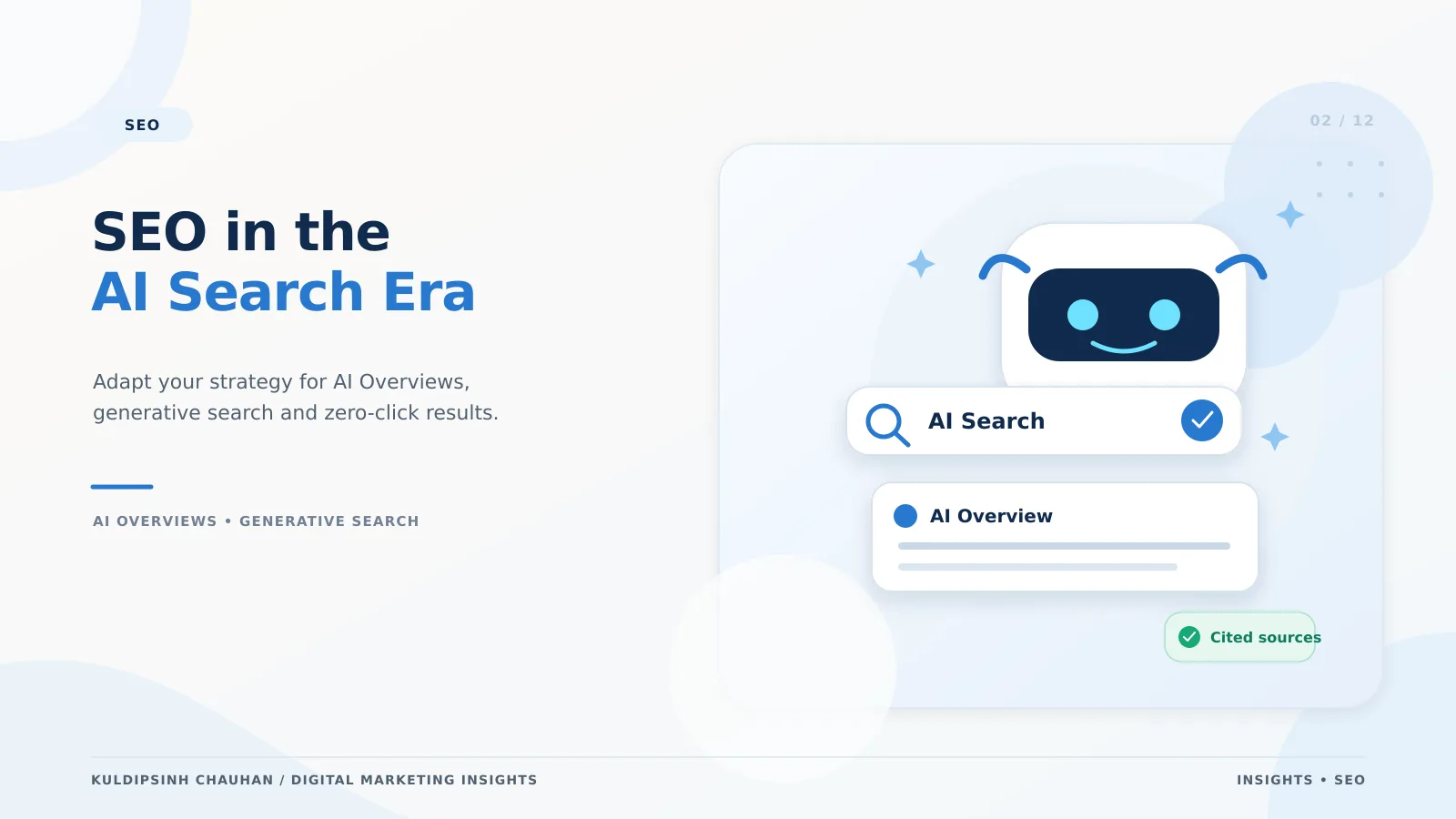
Search results increasingly start with a generated answer that cites a handful of sources. For many informational queries, fewer people click through, but the people who do are often further along in their research.
What has not changed is how pages get into the pool of candidates: they must be crawlable, indexable, relevant and trustworthy. Google's own guidance for AI features says the same SEO fundamentals apply.
The three layers of search visibility
1. Rankings
Traditional rankings still drive most organic clicks, especially for commercial and transactional searches such as 'buy', 'price', 'near me' or brand plus product.
2. Citations in AI answers
Being one of the linked sources in an AI Overview or AI Mode response puts your brand in front of the searcher even if they do not click immediately.
3. Brand demand
When people remember your name and search for it, you are no longer competing for a generic query. Branded search is one of the most defensible outcomes of good marketing. For PGH Apparel, a US streetwear brand, branded search grew from zero to about 5.4K searches a month alongside SEO and paid search - see the PGH Apparel case study.
How to make pages easier to cite
- Lead with the answer. Put a direct, two or three sentence answer near the top of the page, then expand.
- Use descriptive headings that match the questions people ask, so a section can stand on its own.
- Add specifics a model cannot invent: your process, numbers from your own work, prices, locations, constraints.
- Show who wrote it and why they are qualified, with a consistent author page.
- Keep facts current and show a last-updated date when you revise a page materially.
- Use structured data that matches the visible content, such as Article, Product, LocalBusiness or BreadcrumbList.
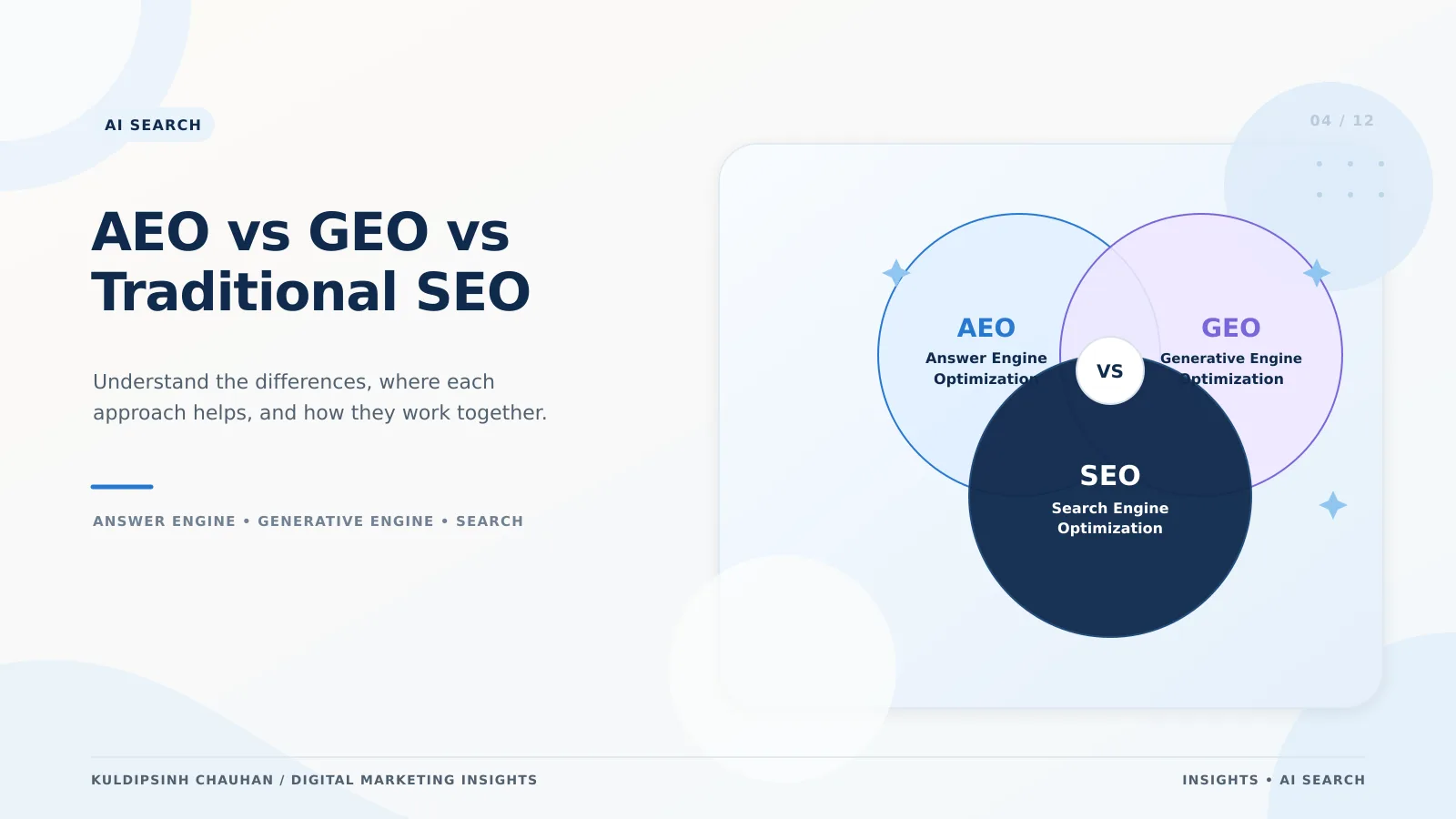
The differences between optimising for answers, generative engines and classic rankings are covered in AEO vs GEO vs traditional SEO.
Which content to prioritise
Not every page needs rethinking. Focus on three groups:
- Money pages - services, categories and products. Strengthen them with comparisons, FAQs drawn from real customer questions, and clear pricing or next steps.
- Expert explainers - guides that show how you work. These are the pages most often cited in AI answers.
- Proof - case studies and results with context. They give both people and AI systems a reason to trust your claims.
Thin pages written only to target a keyword are the most exposed. If an AI answer can fully replace your page, the page probably needs more original substance.
Technical foundations still decide eligibility
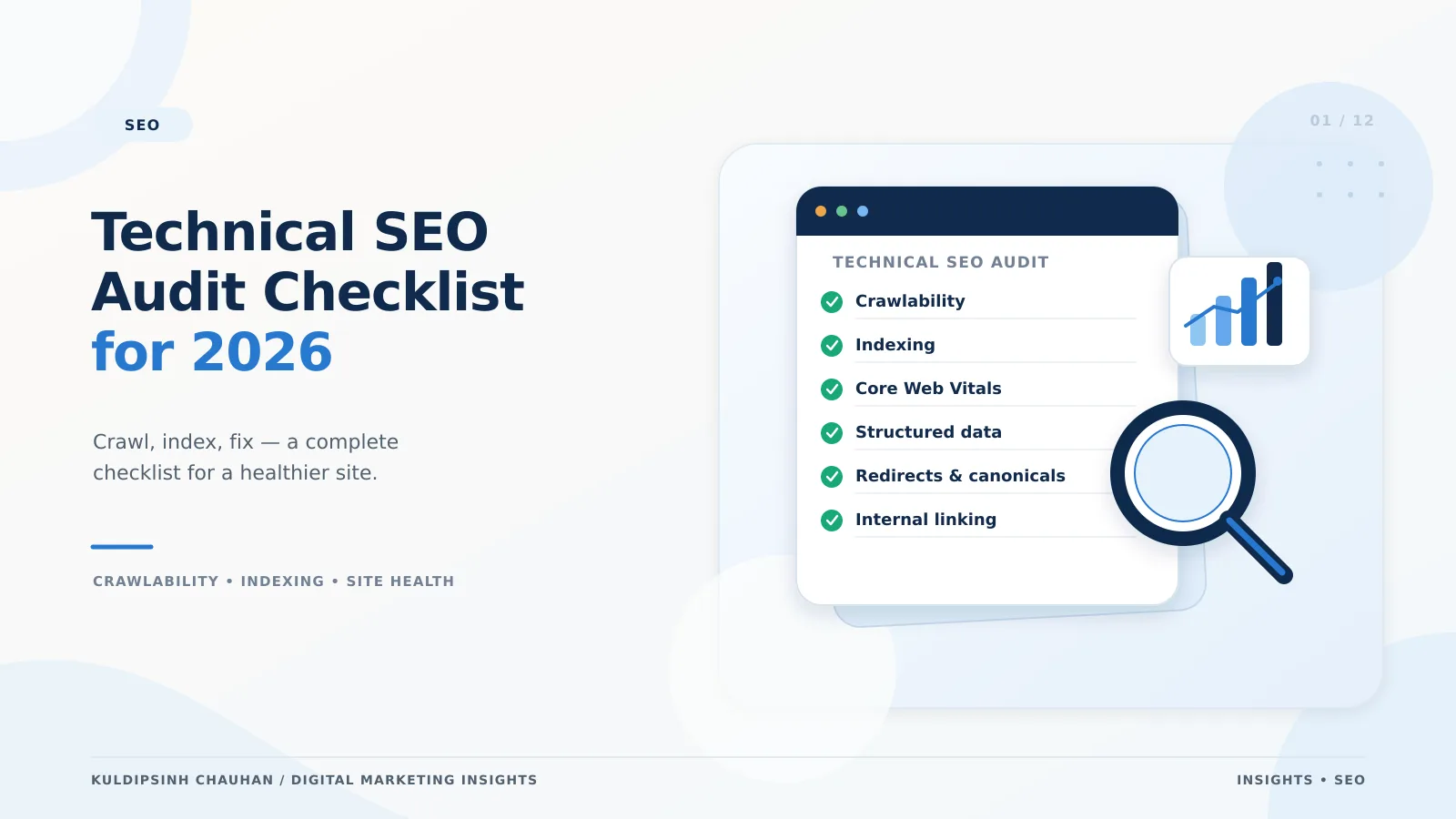
A page that is blocked, not indexed or set to nosnippet cannot be shown as a cited source. Run the checks in the technical SEO audit checklist before investing in new content.
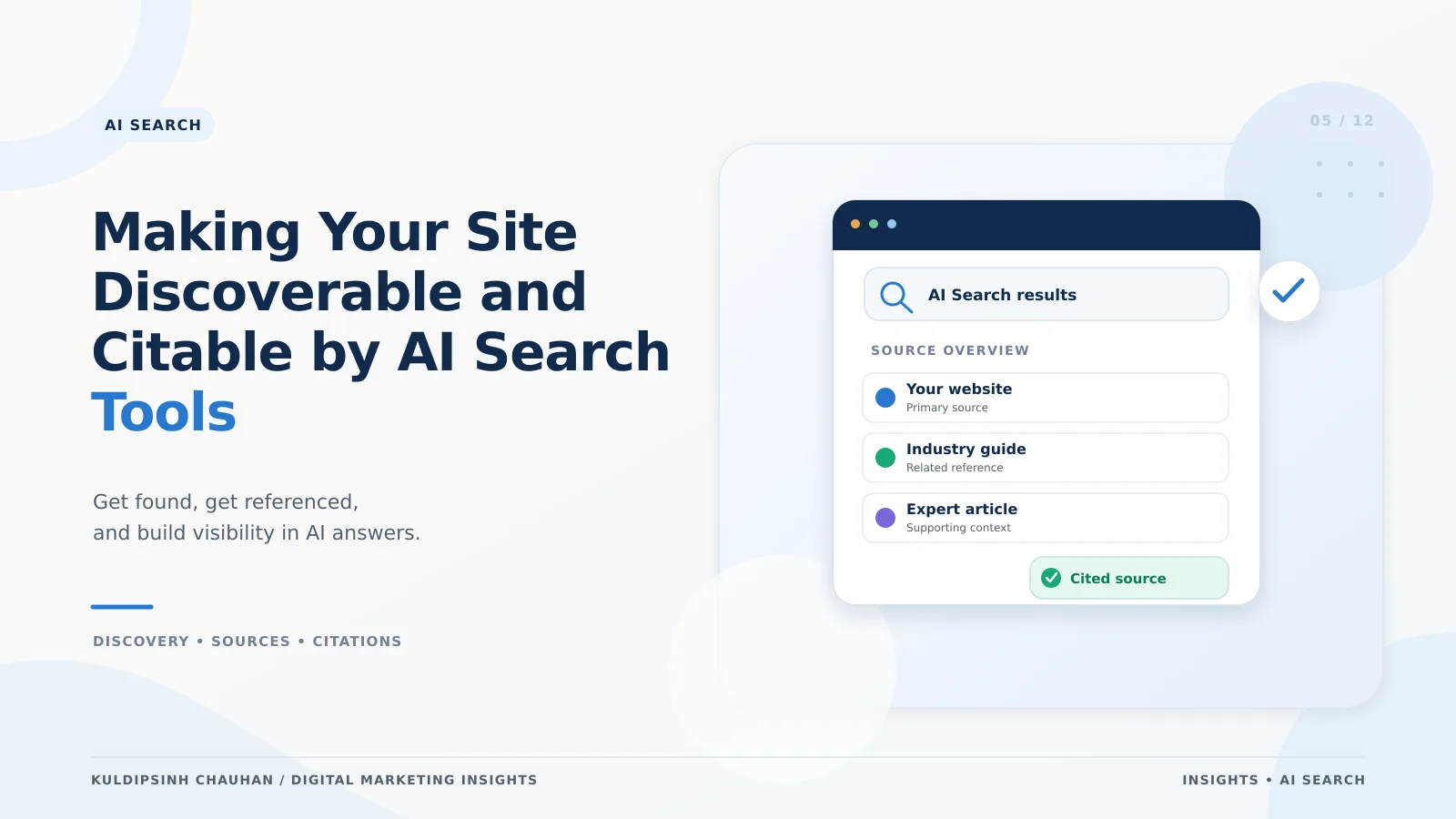
Also review which AI crawlers you allow. Blocking a crawler can remove you from that product's answers; the trade-offs are explained in making your website discoverable by AI search.
Measuring visibility you cannot always click
- Search Console's Generative AI performance report shows impressions from AI Overviews and AI Mode. Google says it rolled out to all websites worldwide by 31 August 2026.
- Track branded search impressions in Search Console as a signal of growing awareness.
- In GA4, watch referral traffic from AI assistants and compare engagement and key event rates with organic search.
- Ask new leads how they found you; 'an AI tool recommended you' is now a real answer.
A 90-day plan to adapt
- Weeks 1-2: run a technical check on your top 50 pages by revenue or leads. Confirm they are indexed, have snippets allowed and load quickly on mobile.
- Weeks 3-4: rewrite the opening of each priority page so the first paragraph answers the main question in plain language.
- Weeks 5-8: add one piece of original evidence to each page - a process diagram, pricing range, timeline, real example or result with context.
- Weeks 9-10: tidy your entity footprint - author page, About page, Organization or Person structured data and consistent business listings.
- Weeks 11-12: review Search Console AI impressions, branded queries and GA4 AI referrals, and pick the next set of pages.
The plan is deliberately boring. Most of the gains come from making existing important pages clearer and more useful, not from publishing large volumes of new content.
If you only have time for one thing, improve the pages closest to revenue. A service or category page that answers buyer questions clearly is useful in classic results, in AI answers and to the person who finally lands on it.
Frequently asked questions
- Is SEO dead because of AI Overviews?
- No. AI answers are built from indexed web pages, and Google says normal SEO best practice applies. What changes is how visibility is measured and which content earns clicks.
- Do I need special markup to appear in AI Overviews?
- Google says there is no special markup or file required. Pages need to be indexed and eligible to show a snippet. Structured data still helps search systems understand the page.
- Will I lose traffic from AI answers?
- Some informational queries send fewer clicks. Commercial queries, brand searches and pages with unique substance tend to hold up better. Track both clicks and AI impressions to see the full picture.
References and further reading
- AI features and your website - Google Search Central
- Generative AI performance report (Search) - Search Console Help
- Creating helpful, reliable, people-first content - Google Search Central
- SEO
- AI Overviews
- AI Mode
Related case studies
Want this applied to your brand?
Let's Talk